About the Journal
Iuris Tantum is a semi-annual publication (June-December) edited by the Instituto de Investigaciones Jurídicas, Facultad de Derecho, Universidad Anáhuac Mexico.
It is a magazine with a multidisciplinary vocation, and its objective is to contribute to the dissemination of high impact research and reflections in the areas of law, social sciences, public administration, political science and strategic intelligence; Likewise, it contributes to the dissemination of specialized literature through book reviews and critical notes.
Unpublished works received are subjected to a strict review process by anonymous peers, specialists in the relative topics. The entire editorial process is managed through the Open Journal System platform, which ensures the transparency of the process and the quality of the publications.
The magazine was founded in 1982 and since then it has been published continuously on an annual basis; in this its fifth period, it has been chosen that the periodicity is biannual.
The receipt of articles for opinion and probable publication by Iuris Tantum is available continuously. The average processing time for manuscripts is six months.
Current Issue
Vol. 40 No. 43 (2026): Enero-Junio 2026
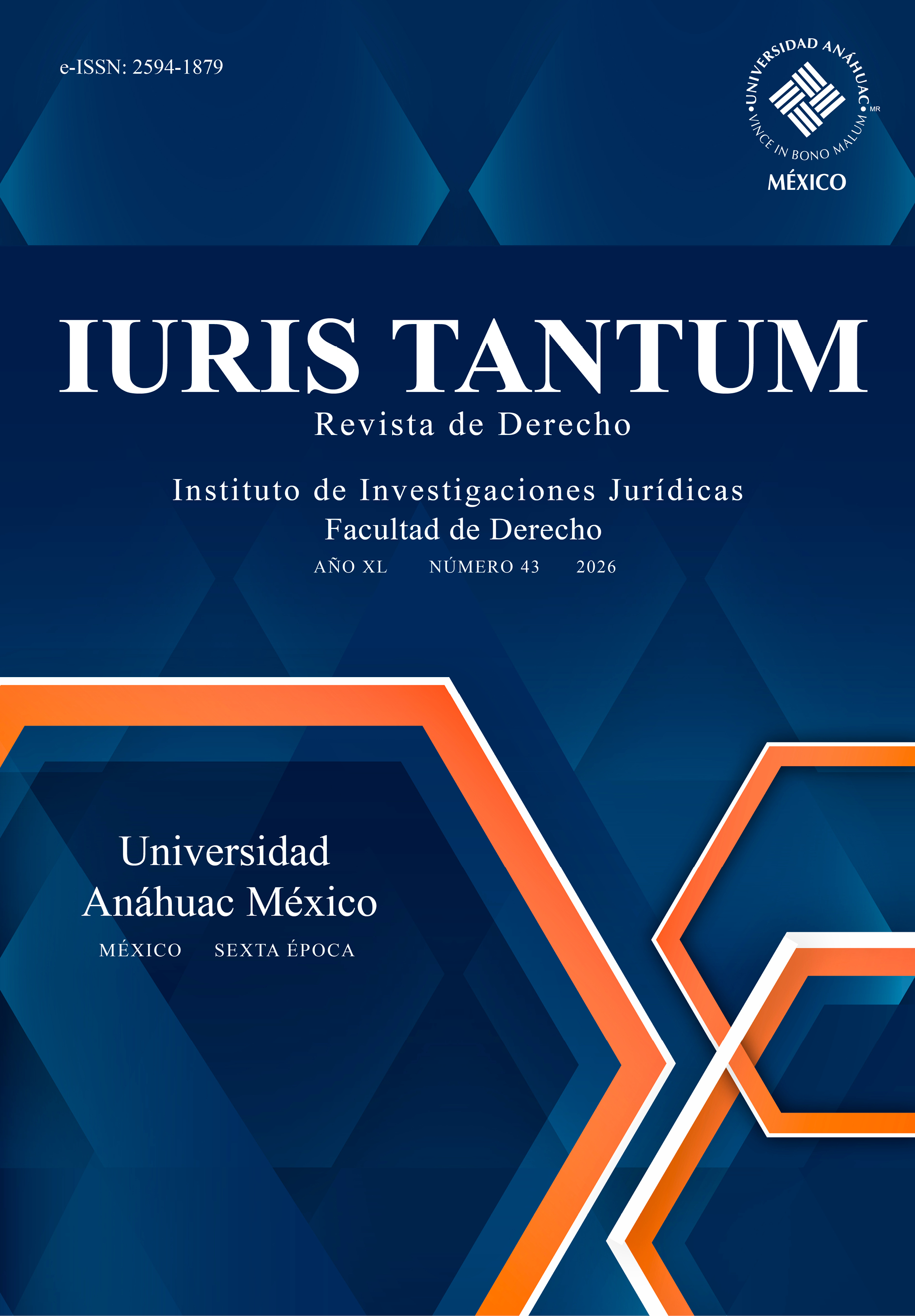
La presente publicación reúne un conjunto de temas interdisciplinarios que, desde la perspectiva jurídica y de las ciencias afines, buscan contribuir al enriquecimiento del pensamiento crítico en áreas de especial relevancia. A través de un diálogo entre diversas teorías jurídicas, como la teoría de sistemas, se examinan fenómenos complejos como la estabilidad de las democracias y sus impactos sociales y políticos. Asimismo, se abordan cuestiones contemporáneas fundamentales, como la protección de los derechos de autor frente a las expresiones creativas, el papel limitado del factor impositivo en el uso de videojuegos violentos, las problemáticas relacionadas con la propiedad intelectual y las transformaciones en el ámbito laboral derivadas del desarrollo del trabajo a distancia. Estos temas, de alta actualidad y pertinencia disciplinaria, se presentan con el propósito de fomentar el ejercicio del pensamiento crítico y promover el desarrollo continuo de las disciplinas involucradas. Desde un enfoque inter y multidisciplinario, la publicación busca contribuir al avance del conocimiento jurídico y social.
Published:
2026-05-11
Full Issue
Articles
Resoluciones y criterios jurisdiccionales relevantes
Reseñas
ISSN printed: 2007-0500 / e-ISSN: 2594-1879